From Manual to Automated: Streamlining Your Sales Operations with AI Workflows
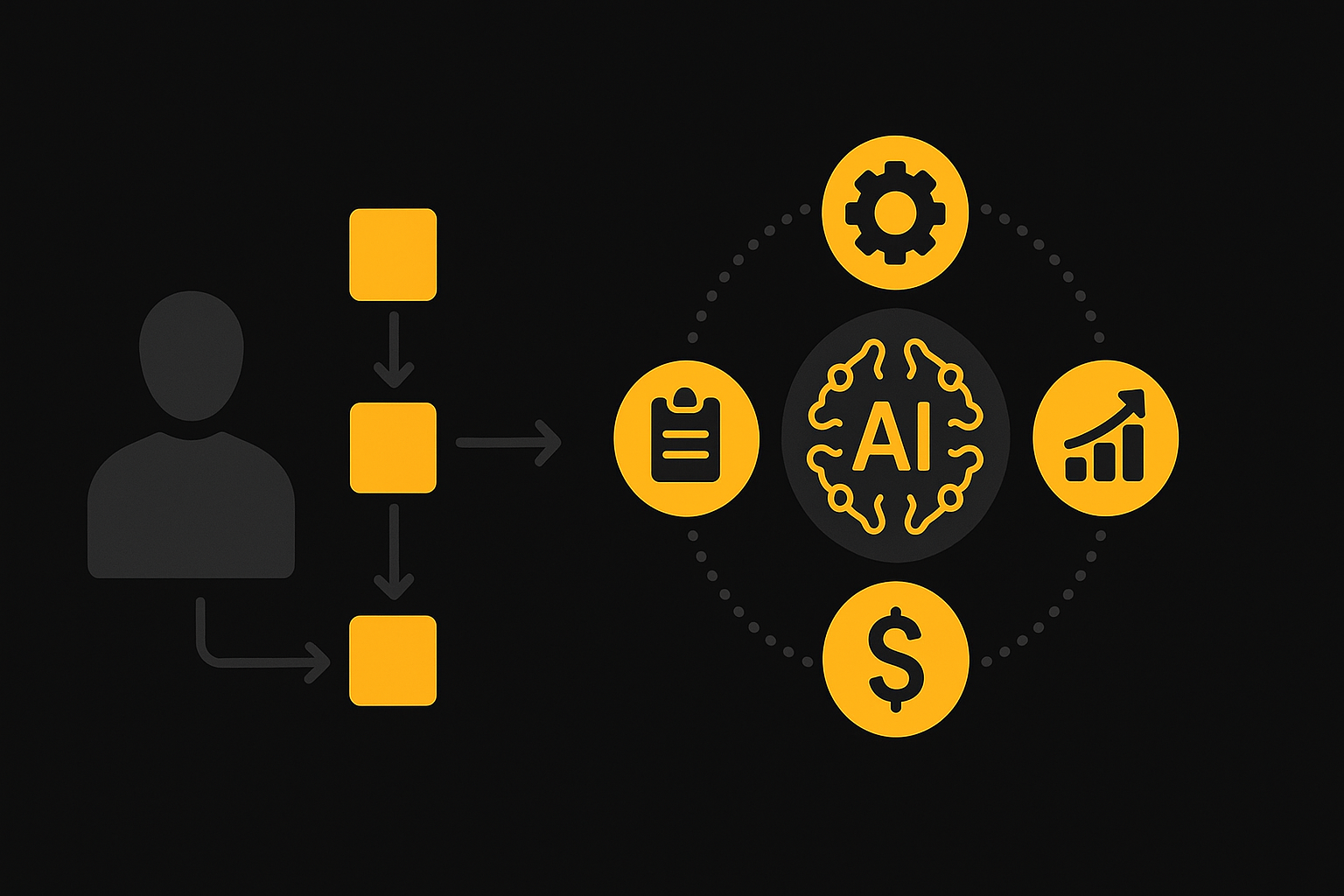
In today's fast-paced business environment, streamlining sales operations is no longer a luxury but a necessity. Companies that harness the power of AI workflows find themselves ahead of the curve, gaining efficiency and effectiveness. Let’s explore how sales operations automation with AI can transform your business.
Understanding Sales Operations Automation with AI
Sales operations management is all about optimizing the processes that drive revenue generation. When you integrate AI, you empower your team to focus on strategy rather than tedious tasks. This allows your sales personnel to channel their energy into what truly matters—building relationships and closing deals.
Identifying Repetitive Tasks
The first step in automating your sales operations is recognizing the tasks that eat up valuable time. Think about data entry, lead scoring, and follow-up emails. These mundane tasks can be automated, freeing up your team to concentrate on higher-value activities.
Implementing AI Workflows
Once you've identified repetitive tasks, the next step is implementing AI workflows. This can involve software solutions that automate everything from CRM updates to lead nurturing. By setting up intelligent workflows, you ensure that sales reps receive notifications for timely follow-ups and crucial lead information without lifting a finger.
Leveraging Data for Smarter Decisions
AI works best when it's fed valuable data. Use data analytics to understand client behavior, purchasing patterns, and market trends. This information not only enhances your lead scoring but also helps tailor your approach, making your sales team more effective. The more data you gather, the smarter your AI becomes.
Personalizing Customer Interactions
Sales automation with AI doesn’t mean losing the human touch. In fact, it can enhance it. AI tools can analyze customer preferences and behavior, allowing sales reps to personalize their pitches. A tailored approach can significantly increase conversion rates, transforming hesitant prospects into loyal customers.
Integrating with Existing Tools
One of the biggest barriers to adopting new technology is integration. Fortunately, many AI solutions easily integrate with existing sales tools you already use. Ensure that the tools you choose work cohesively, allowing for seamless data transfer and a smoother transition for your team. This will minimize disruption while maximizing effectiveness.
Measuring Performance and Making Adjustments
After implementing AI workflows, it’s crucial to measure their impact. Track KPIs like lead conversion rates, response time, and sales cycle length. Analyze this data regularly to identify areas for improvement. When you adopt a data-driven approach, you can make informed decisions that enhance your sales process over time.
Fostering a Culture of Continuous Improvement
Change is often met with resistance, especially in established teams. To overcome this, foster a culture that embraces new technologies. Regular training sessions and open discussions about successes and setbacks can make your team feel involved in the transition. When they see the direct benefits of automation, their buy-in will naturally increase.
Practical Takeaways
Transitioning from manual to automated sales operations can feel daunting, but the rewards are unmatched. Identify repetitive tasks and implement AI workflows that integrate seamlessly with your current tools. Use data to drive smarter decisions while personalizing customer interactions and fostering a culture of adaptability. As your team becomes comfortable with AI, you'll see a marked improvement in productivity and employee satisfaction.
By investing in sales operations automation with AI, you're not just improving efficiency; you're setting the stage for long-term success. Embrace the change, and watch your sales numbers soar.
Ready to automate your workflows?